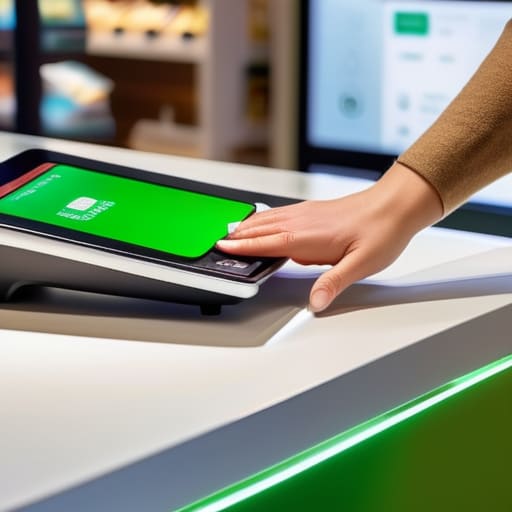
Some Provinces Refund Their Share Right at the Till
I was sitting in my office last Tuesday, staring at a client’s ledger that looked less like a financial record and more like a shredded wheat biscuit, when it hit me: they had been overpaying sales tax for eighteen months straight. They thought they were just “doing business,” but they were actually handing the government a free gift simply because they didn’t understand how point of sale rebates by province actually work. Most people think these rebates are some complex, high-level accounting trick reserved for the big players, but that’s a total myth. In reality, it’s just a set of specific rules that, if ignored, act like a slow leak in your gas tank while you’re trying to drive across the Maritimes.
I’m not here to give you a lecture on tax theory or drown you in legislative jargon that would make a lawyer yawn. My goal is to give you the plain-English breakdown of the point of sale rebates by province that I wish my clients had understood years before they realized their bank balance was lower than it should be. We’re going to look at the actual mechanics of these rebates so you can stop leaving money on the table and start keeping what you actually earned.
The Provincial Sales Tax Exemptions List You Actually Need

I’ve spent two decades staring at ledgers, and if there is one thing that keeps me up at night, it’s seeing a business owner accidentally charge tax on something that should have been exempt. You don’t need a law degree, but you do need to know that the provincial sales tax exemptions list isn’t some static document; it’s a moving target. For instance, I’ve seen countless clients in the Maritimes get tripped up because they assumed a standard rate applied to everything in their inventory, only to realize later they were overcharging customers and creating a massive headache for themselves during an audit.
The reality is that certain categories—like sales tax rebates for books or specific types of basic groceries—can vary wildly depending on whether you’re sitting in an HST province or dealing with the patchwork of the Atlantic. You might think you’re being diligent, but if you aren’t tracking the specific retail point of sale tax rules for your exact location, you’re essentially playing darts in the dark. It’s not about being a math whiz; it’s about knowing which items are exempt before you hit ‘print’ on that receipt.
Navigating Gsthst Rebate Eligibility Without the Headache
Here is where most of my clients start to sweat, and frankly, they shouldn’t. Determining your GST/HST rebate eligibility isn’t about solving a complex equation; it’s about knowing exactly what you’re selling and who you’re selling it to. The CRA doesn’t care if you intended to follow the rules; they only care if your receipts match the specific categories allowed under the law. If you are selling items like certain types of educational materials or specific clothing items, you need to be hyper-aware of the clothing tax credits by province and how they interact with federal rules.
The headache usually stems from trying to treat every sale the same way. I’ve seen people apply the same tax rate to their entire inventory, only to realize months later they were over-collecting or under-reporting. You have to segment your sales. Whether you are looking into sales tax rebates for books or navigating complex service fees, the trick is to categorize your revenue streams early. Don’t wait until tax season to figure out which bucket your income falls into. If you organize your data by product type from day one, the filing process becomes a breeze rather than a crisis.
Five Ways to Stop Overpaying the CRA and Your Provincial Counterparts
- Stop treating every invoice like it’s the same. If you’re selling across provincial lines—say, from Ontario into a province with a separate PST—the rules for what gets a rebate change the second that shipment hits the border. I’ve seen too many owners pay the full rate on something that should have been exempt just because they didn’t check the local provincial list first.
- Keep your “exempt” and “zero-rated” piles strictly separated. They might both look like “no tax” on your bank statement, but they are handled differently when it comes to claiming your Input Tax Credits. If you lump them together in one messy spreadsheet, you’re going to have a very long, very expensive conversation with me come tax season.
- Watch your provincial thresholds like a hawk. Some provinces have specific rules about when you actually have to start collecting their specific brand of sales tax versus the federal GST/HST. If you miss that window, you aren’t just late; you’re liable for the whole amount out of your own pocket.
- Audit your own “rebate-eligible” expenses every quarter. I once had a client who spent three years paying full tax on supplies that qualified for a provincial rebate because they assumed “tax is tax.” Don’t be that person. Check your receipts against the provincial exemption list every three months, not once a year.
- Don’t rely on your software to do the heavy lifting. Most accounting software is great, but it isn’t psychic. It doesn’t know if a specific provincial rule changed last Tuesday. You still need to manually verify that your automated tax settings actually match the current provincial rebate requirements for your specific industry.
The Bottom Line: Don't Leave Money on the Table
Keep a sharp eye on your provincial borders; the moment you start shipping or providing services across provincial lines, your rebate eligibility can shift, and “I didn’t know” won’t stop the CRA from coming after the difference.
Stop treating rebates as an afterthought for tax season; if you aren’t tracking your qualifying expenses specifically for these credits throughout the year, you’re essentially handing a tip to the government that you didn’t owe them.
Use the exemptions to your advantage by auditing your own product list—if a specific item qualifies for a lower rate or a rebate in your province, make sure your bookkeeping reflects that immediately so you aren’t overpaying every single month.
Don't Leave Your Money on the Table
At the end of the day, navigating provincial rebates isn’t about memorizing the entire tax code; it’s about knowing which specific rules apply to your industry and where you sit on the map. We’ve covered how exemptions vary by province, how to qualify for GST/HST rebates, and why you can’t just assume the rules in Ontario apply once you start shipping goods to the Maritimes. The bottom line is this: if you aren’t actively tracking these provincial nuances, you are essentially handing a gift back to the CRA. Keep your records organized, stay aware of the regional shifts, and for heaven’s sake, don’t wait until audit season to figure out if you were eligible for a credit last year.
I know this stuff feels like a massive weight on your shoulders, especially when you’d rather be focusing on your actual craft or, frankly, just getting through a busy week. But remember, getting these details right isn’t just about compliance—it’s about protecting the margins you worked so hard to build. You didn’t start this business to become a part-time tax researcher, but a little bit of proactive organization now prevents a massive headache later. Master the basics today, and you can get back to doing what you actually love, without the constant fear of an unexpected penalty letter sitting in your mailbox.
Frequently Asked Questions
If I sell a product in Ontario but my business is registered in New Brunswick, which province's rebate rules am I actually supposed to follow?
This is where people usually start sweating, but don’t panic. The rule is simple: you follow the rules of where the product is actually delivered. If you’re shipping a widget to a customer in Ontario, you follow Ontario’s rules for that transaction, regardless of where your home office sits in New Brunswick. Your registration tells you how to collect, but the destination dictates the what and the how much.
Is there a specific threshold or dollar amount where it stops being worth my time to track these rebates versus just absorbing the tax?
Look, I’ve seen people spend ten hours chasing a fifty-dollar rebate, and frankly, that’s a bad business move. If you’re a micro-business with negligible expenses, don’t lose sleep over it. But if you’re spending hundreds or thousands on supplies, you track every cent. My rule of thumb? If the administrative headache costs more than the potential refund, let it go. Just don’t let “laziness” become a habit that costs you thousands in missed credits.
Can I claim a point of sale rebate on the supplies I buy to run my business, or is that strictly for things I'm selling to my customers?
The short answer is yes, but don’t go buying a new office sofa thinking you’ve found a loophole. Point-of-sale rebates generally apply to the specific items you are reselling—like those exempt goods we just talked about. If you buy supplies to run the business, you’re usually looking at Input Tax Credits (ITCs) to get that tax back, not a “rebate.” They’re different tools in the same kit. Don’t mix them up.