
Under Four Dollars the Provincial Share Disappears
I was sitting in my office last Tuesday, staring at a shoebox of receipts that looked like it had been recovered from a shipwreck, when a client started explaining why they thought they didn’t need to charge tax on their catering orders. They were convinced that because they were “just a small local outfit,” the rules didn’t apply to them. That’s the biggest myth in this industry: the idea that the CRA cares about your “smallness” when it comes to prepared food thresholds. Let me be blunt—the government doesn’t care if you’re a solo baker or a massive franchise; if you cross that line and haven’t adjusted your tax collection, you aren’t just “missing a detail,” you’re effectively funding the government’s next budget out of your own pocket.
I’m not here to give you a lecture on tax law or recite a manual that reads like it was written by a robot. My goal is to give you the plain-English version of what those prepared food thresholds actually mean for your bottom line. I’m going to show you exactly where the line is drawn, how to track it without losing your mind, and—most importantly—how to avoid the expensive penalties that I spend half my life cleaning up for people who thought they could wing it.
Taxable Food Items vs Grocery Where Most Owners Trip Up
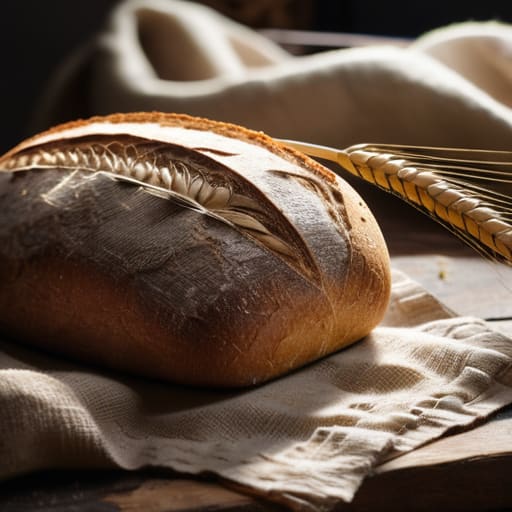
Here is where the rubber meets the road, and where I see most of my clients’ bookkeeping turn into a disaster. The fundamental difference between a grocery item and a prepared one isn’t always about how it looks on the shelf; it’s about the intent of the sale. If you sell a bag of flour to a baker, that’s a grocery item—tax-exempt. But if you sell a pre-made loaf of sourdough that’s been sliced, bagged, and ready to eat, you are moving into the territory of taxable food items vs grocery.
In Ontario, the line gets blurry fast. Generally, if the food is “ready to eat” or requires minimal preparation, the CRA wants their cut. I’ve seen too many cafe owners assume that because they aren’t a full-scale restaurant, they don’t need to worry about HST application on hot food. That is a dangerous assumption. If you’re heating it up, plating it, or even just providing the cutlery to eat it immediately, you’ve likely crossed the line from exempt grocery to taxable service. Don’t wait until an audit to find out your “exempt” menu is actually a tax liability waiting to happen.
Ontario Retail Sales Tax Rules You Cant Ignore
Now, let’s talk about Ontario specifically, because this is where the math gets messy for most of my clients. Unlike some provinces that keep things simple, Ontario has a specific way of looking at what you’re actually selling. You need to understand the HST application on hot food versus what you’re grabbing off a shelf. In Ontario, the distinction usually boils down to whether the food is “ready to eat.” If you’re running a cafe where someone can grab a sandwich and walk out the door, or if you’re heating something up for them, the CRA generally views that as a service, not just a grocery item.
I’ve seen too many owners assume that because they sell food, they are exempt from everything. That is a dangerous assumption. While basic groceries are generally zero-rated, the Ontario retail sales tax rules kick in the moment that food becomes “prepared.” If you’re selling a hot bagel versus a cold one from a sealed package, you’re moving into different tax territory. If you don’t get this distinction right in your POS system, you aren’t just making mistakes; you’re essentially collecting money for the government that you aren’t actually reporting correctly.
Five Ways to Avoid a Very Unpleasant Conversation with the CRA
- Stop treating “grab-and-go” like it’s the same as a grocery aisle. If a customer can eat it immediately without needing a plate and a fork, the taxman usually views it as prepared food, not a basic grocery item.
- Keep a separate log for your prepared food sales. If you try to lump your sandwich sales in with your bulk flour sales at the end of the year, you’re going to have a nightmare trying to untangle the math during an audit.
- Watch your thresholds like a hawk. If your business model relies on being just under a certain revenue limit to avoid specific tax obligations, remember that the CRA isn’t known for its sense of humor when you miss the mark by fifty bucks.
- Document the “ready-to-eat” factor. If you’re selling something that sits on a shelf, make sure you have a clear distinction in your system between what’s a staple ingredient and what’s a prepared snack.
- Don’t rely on your gut feeling for what’s taxable. If you’re unsure if a specific item counts as prepared food under provincial rules, ask me now. It’s much cheaper than paying the penalties three years down the road.
The Bottom Line Before You File
Stop treating everything in your fridge like a grocery item; if you’re serving it ready-to-eat, the taxman likely wants his cut, and “I didn’t know” won’t stop the penalty.
Keep your receipts organized by category—not just by date—so we aren’t spending three hours of billable time trying to figure out if that bulk flour purchase was for resale or for your own kitchen.
Watch your revenue thresholds like a hawk; once you cross that line, the rules change instantly, and being a day late on your registration is a very expensive way to learn a lesson.
The Bottom Line on Food and Tax
At the end of the day, navigating prepared food thresholds isn’t about memorizing the entire tax code; it’s about knowing the difference between a bag of flour and a baked loaf of bread. You need to keep a sharp eye on those Ontario RST rules and ensure you aren’t accidentally treating taxable prepared items as exempt groceries. If you can’t clearly distinguish between the two in your point-of-sale system, you aren’t just making a bookkeeping error—you are inviting an audit that will cost you far more in professional fees than the tax itself would have. Keep your records organized, watch your thresholds, and for heaven’s sake, don’t let your receipts end up in a shoebox.
I know this feels like a massive distraction from what you actually love doing, whether that’s cooking, baking, or running a cafe. You started this business to serve your community, not to become a part-time tax inspector. But remember, getting these basics right now is what builds the financial foundation that allows your business to actually survive the long haul. Treat your compliance with the same precision you treat your recipes, and you won’t have to spend your weekends worrying about a letter from the CRA. You’ve got the talent to run a great shop; now go out there and run a profitable one.
Frequently Asked Questions
If I start selling a few more prepared items, at what exact dollar amount do I actually have to start worrying about these thresholds?
Here’s the thing: there isn’t a single “magic number” that triggers a sudden tax bill, and that’s exactly why people get caught. It’s not about hitting a specific dollar amount in sales; it’s about the nature of what you’re selling. Once you move from selling a bag of flour to selling a prepared sandwich, you’ve crossed the line. If you’re wondering when to worry, the answer is the moment you flip that sandwich.
Does the rule change if I'm operating in the Maritimes versus Ontario, or is the food threshold consistent across the country?
Here is the short answer: No, the rules are not consistent, and that’s exactly where the headache begins. While the basic distinction between a “grocery” and a “prepared meal” stays mostly the same, the provincial sales tax rules change the moment you cross into New Brunswick, Nova Scotia, or PEI. You can’t just apply your Ontario logic to a catering gig in Halifax and expect the CRA to be happy about it. Keep your eyes on the province, not just the plate.
What happens if I accidentally misclassify a grocery item as prepared food—do I have to pay the difference back with interest, or is there a way to fix it during a regular filing?
Look, don’t panic, but don’t ignore it either. If you catch the mistake before an auditor does, you can usually adjust it during your next regular filing. You’ll owe the tax difference, and yes, interest will accrue from the date it was originally due. It’s a headache, but it’s much cheaper than a formal reassessment. Just fix the classification moving forward and keep a note of the correction for your records.