Cross the Threshold and You Owe Tax From That Day
I remember sitting across from a landscaping client last March who looked like he hadn’t slept in a week. He had just received a letter from the CRA that felt more like a ransom note than a notice, all because he’d crossed a certain revenue line without realizing he needed to be collecting HST. He’d been operating under the assumption that if he wasn’t a “big corporation,” the tax man wouldn’t bother him. That is a dangerous mistake. Most people treat the small supplier threshold explained in government manuals like it’s some abstract concept for textbooks, but in the real world, it’s the difference between a profitable year and a massive, unexpected penalty that eats your entire margin.
I’m not here to give you a lecture filled with dense legal jargon or “regulatory mechanisms.” My goal is to give you the plain-English version of the rules so you can actually focus on running your business. I’m going to walk you through exactly when that threshold kicks in, how to track your sales so you don’t get blindsided, and most importantly, how to avoid the common traps that I see my clients fall into every single season.
Decoding Your Annual Turnover Limits Before Its Too Late
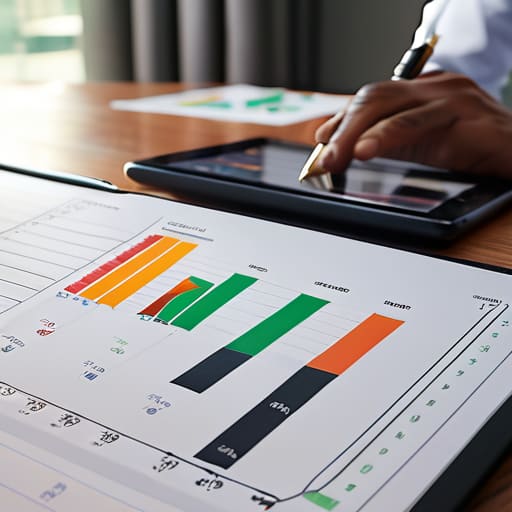
Here is the math you actually need to care about. When we talk about annual turnover limits, we aren’t just looking at a single year’s performance in a vacuum; we are looking at a rolling window. The CRA looks at your total taxable sales over the last four consecutive calendar quarters. This means if you land a massive contract in October that sends your revenue skyrocketing, you can’t just wait until January to figure out your next move. You need to be tracking those numbers monthly.
I’ve seen too many owners get blindsided because they thought they only had to check their books every December. If your sales exceed the $30,000 mark within any four-quarter period, you’ve hit the threshold for mandatory registration. Once you cross that line, the clock starts ticking. You generally have 30 days to register for your GST/HST number. Ignoring this isn’t just a clerical error; it’s a fast track to paying penalties out of your own pocket because you failed to collect the tax you were legally required to charge.
The Real Truth About Small Business Tax Exemptions
Here is the reality: just because you qualify for small business tax exemptions doesn’t mean you’re automatically off the hook for everything. Most of my clients assume that if they aren’t collecting tax, they don’t have to think about the CRA at all. That is a dangerous assumption. There is a massive difference between being “exempt” and being “unregistered,” and mixing those two up is how you end up with a mountain of back taxes and interest that could have been avoided with a simple calendar check.
You need to keep a very close eye on your business revenue thresholds throughout the year. It isn’t enough to just glance at your bank balance in December. The rule is based on your taxable supplies over the last four consecutive quarters. If you see a sudden spike in sales—maybe you landed that one big contract or your seasonal rush kicked in early—you might suddenly hit the threshold for mandatory registration. Once you cross that line, the rules change overnight. You aren’t just a small player anymore; you’re a collector, and the government expects you to start acting like one.
Five Ways to Keep the CRA From Knocking on Your Door
- Watch your rolling twelve months, not just the calendar year. The CRA doesn’t care if it’s January 1st; they care if your total taxable sales over the last twelve months have crossed that $30,000 mark. If you only look at your year-end totals, you’re going to miss the moment you actually became a registrant.
- Don’t forget that “taxable sales” includes more than just your main service. If you sell a mix of exempt items and taxable items, you have to include the taxable portion in that calculation. I’ve seen plenty of people get caught off guard because they thought their “main” business was exempt, forgetting the side products they sell are pulling them over the line.
- Register early if you see the writing on the wall. If you know you’re going to hit that $30,000 limit by next month, don’t wait until you’ve crossed it to call me or log into CRA My Business Account. Getting ahead of it means you can actually start collecting tax from your customers immediately, rather than having to pay it out of your own pocket later.
- Use the “voluntary registration” loophole to your advantage. Even if you’re making $5,000 a year, you can choose to register anyway. Why? Because then you can claim Input Tax Credits (ITCs) on your business expenses. If you’re buying a lot of equipment or supplies, being a registrant might actually save you money on the tax you’re paying to your suppliers.
- Keep your records clean from day one. I have a running list of the most disastrous shoeboxes of receipts I’ve ever seen, and most of them involve people who didn’t realize they were supposed to be tracking their sales for threshold purposes. If you can’t prove when you crossed the line, the CRA will assume you crossed it much earlier than you actually did.
The Bottom Line: What You Actually Need to Do
Keep a close eye on your rolling 12-month revenue; don’t wait until you’ve hit the $30,000 mark to start tracking it, or you’ll be playing catch-up with the CRA when it matters most.
Being a “small supplier” is a privilege, not a permanent status—once you cross that line, you’re in the game and have to start collecting and remitting tax immediately.
Don’t let the “threshold” trick you into thinking you can’t claim input tax credits; sometimes, registering early even if you don’t have to can actually save you money on your business expenses.
The Bottom Line
At the end of the day, navigating the small supplier threshold isn’t about mastering the entire Tax Act; it’s about keeping a close eye on your rolling twelve-month revenue. Remember, this isn’t a one-time calculation you do on January 1st and forget about. You need to be checking those numbers monthly to ensure you don’t accidentally cross that $30,000 mark without a plan in place. If you miss the window to register, you aren’t just looking at paperwork headaches—you’re looking at out-of-pocket tax liabilities that you’ll have to pay personally because you didn’t collect it from your customers.
I know it feels like just another hoop to jump through while you’re trying to actually run your business, but getting this right now is what keeps you from sitting across from me three years from now with a mountain of back taxes and a very expensive bill for my time. You started this business to build something, not to become an amateur tax auditor. Stay organized, watch your turnover, and focus on your growth. If you handle the numbers with a bit of discipline today, you’ll have the breathing room to actually enjoy the success you’re working so hard to build.
Frequently Asked Questions
What happens if I accidentally cross the threshold mid-year—do I have to register immediately or can I wait until the next fiscal year?
Here’s the thing: you can’t just wait for the next fiscal year and hope the CRA doesn’t notice. Once you cross that $30,000 mark, you have 30 days to register for your GST/HST number. If you keep operating without one, you’re essentially paying those taxes out of your own pocket instead of collecting them from customers. It’s a messy, expensive mistake that I see far too often. Register immediately; don’t play games with the timeline.
If I have multiple small businesses or side hustles, do I count all their revenue together to see if I've hit the limit?
This is where things get messy, and it’s usually where I see people trip up. The short answer is: yes, you have to be careful. If these side hustles are separate legal entities—meaning different corporations—you generally look at them individually. But if you’re just running a few different “brands” under your own name as a sole proprietor, the CRA sees you as one person. That means all that revenue gets tossed into one bucket.
Is it actually worth registering for an HST number even if I'm under the threshold, or am I just making my life harder for no reason?
It depends on who you’re selling to. If you’re a consultant selling to other businesses, register. They’ll want those Input Tax Credits (ITCs) to offset their own costs, and being able to charge HST makes you look more established. But if your customers are just regular people—like a local landscaper or a baker—they can’t claim those credits back. In that case, you’re just adding a price hike to your services for no real gain.