
Purpose Decides Whether the Procedure Is Taxed
I spent most of yesterday afternoon digging through a literal shoebox of crumpled, coffee-stained receipts from a client who thought “miscellaneous” was a valid tax category, and it reminded me of a conversation I had with a small business owner last month. She was terrified to pull the trigger on some necessary dental and cosmetic procedures because she couldn’t tell if the costs were a personal luxury or a legitimate business deduction for her brand. Most people treat these expenses like a black hole of confusion, assuming you either pay full price out of pocket or risk an audit by trying to claim them as a business expense. The truth is, the line between a “vanity” procedure and a necessary professional expense is much thinner than the marketing brochures would have you believe.
I’m not here to sell you on the latest Hollywood smile or tell you which filler brand is trending on Instagram. My goal is to strip away the fluff and give you the straight-talking reality of how these costs actually impact your bottom line. I’ll show you how to categorize these expenses properly so you aren’t left staring at a massive tax bill you didn’t see coming. Consider this the practical roadmap I wish my clients had in their hands before they signed those treatment contracts.
Distinguishing Restorative and Aesthetic Dentistry Before You Pay
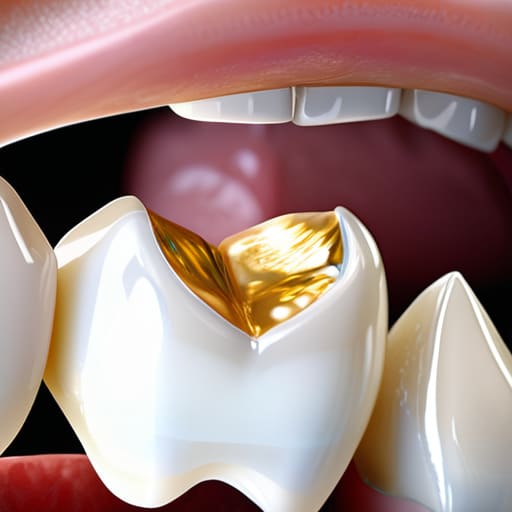
Here is the distinction you need to make before you start signing any treatment plans. In my line of work, I see people treat every dental invoice like it’s the same, but from a tax and insurance perspective, there is a massive gulf between a crown that saves a dying tooth and a veneer that just makes your smile look like a Hollywood starlet’s.
The crux of the issue is medical necessity vs cosmetic dentistry. If a procedure is required to restore function or stop pain, it’s restorative. If it’s purely for “improvement,” it’s aesthetic. This isn’t just semantics; it’s the difference between your insurance company cutting a cheque and you facing massive out-of-pocket dental costs.
When you’re looking at your ledger, remember that most insurance providers have zero interest in funding your vanity. They want to see that the work is essential for health. Before you commit to a major procedure, ask your dentist to clearly document whether the treatment is restorative or aesthetic. Having that distinction in writing is the only way to ensure you aren’t blindsided by a bill that your insurance provider refuses to touch.
Navigating Medical Necessity vs Cosmetic Dentistry Pitfalls
Here is where the paperwork gets messy and where I see most business owners trip up during tax season. The line between medical necessity vs cosmetic dentistry isn’t just a matter of opinion; it’s a matter of documentation. If you’re getting a crown because your tooth is literally cracking, that’s a different beast entirely than getting one because you want a whiter smile for a keynote speech. From a tax perspective, the distinction determines whether those costs are a legitimate business expense or just a personal luxury.
I’ve seen people try to claim everything under the umbrella of “professional image,” but the CRA isn’t interested in your aesthetic upgrades. To avoid a headache, you need to ensure your dentist clearly notes the functional purpose of the procedure on your invoices. If the goal is to repair damage or prevent further decay, you’re on much firmer ground regarding tax deductible dental expenses. If the invoice just says “whitening” or “veneers,” don’t bother sending it to me in April—it’s going straight into the “personal” pile.
Five Ways to Keep Your Dental Upgrades from Becoming a Financial Headache
- Get a written treatment plan before you sit in the chair. I’ve seen too many people nod along to a dentist’s verbal explanation, only to realize later they agreed to a $5,000 overhaul when a $500 fix would have sufficed. If it isn’t on paper, it doesn’t exist.
- Audit your insurance policy for the “cosmetic” loophole. Most plans are happy to pay for a root canal, but the moment you mention wanting a brighter shade of white or a slightly more symmetrical smile, they’ll vanish faster than a client’s organized receipt folder.
- Ask about the long-term maintenance costs, not just the upfront price. A veneer might look incredible today, but if it requires specialized care or replacement in five years, you need to factor that “hidden” expense into your actual budget now.
- Separate your “need” from your “want” in your own mental ledger. If you’re getting a procedure to stop pain, that’s a necessity; if you’re doing it because you saw a filtered photo on Instagram, that’s a luxury. Treating them as the same thing is how you end up with a cash flow crisis.
- Request a breakdown of “bundled” pricing. Some clinics will give you one large number for a “smile makeover,” which is a great way to hide the actual cost of individual components. Demand to see the line items so you know exactly what you’re paying for.
The Bottom Line Before You Book the Appointment
Get a written breakdown of what is “restorative” versus “cosmetic” before the procedure starts; if it’s purely for looks, you’re paying out of pocket without any hope of a tax deduction or insurance claim.
Don’t assume a procedure is “medically necessary” just because a dentist says so—if the primary goal is a better smile rather than fixing a functional issue, the CRA and your insurance provider will see it differently.
Ask for the specific procedure codes upfront so you can verify exactly what you’re being billed for, ensuring you aren’t paying premium cosmetic rates for what should have been a standard restorative fix.
The Bottom Line on Your Smile
At the end of the day, navigating the line between restorative necessity and cosmetic enhancement comes down to one thing: documentation. If you can’t clearly distinguish whether a procedure is fixing a functional issue or simply chasing a trend, you’re essentially inviting an audit or a denied claim. You need to know the difference between a crown that saves a dying tooth and a veneer that just makes it look better for a wedding photo. Keep your records straight, ask your dentist for a clear breakdown of medical necessity versus elective enhancement, and never assume the insurance company will do the heavy lifting for you. If you don’t treat your dental paperwork with the same rigor as your business expenses, you’re going to end up paying for things you thought were covered.
I’ve seen plenty of people stress over these costs, but remember that dental health is an investment, not just another line item on a bill. Whether you are fixing a structural problem or finally getting that smile you’ve always wanted, the goal is to move forward with total financial clarity. Don’t let the complexity of the terminology keep you from getting the care you need. Once you understand the rules of the game, you can stop worrying about the “what-ifs” and start focusing on the results. Invest in your health, but do it with your eyes wide open.
Frequently Asked Questions
If my dentist says a procedure is "medically necessary," can I actually use that to claim it as a tax credit, or is it still going to be flagged as cosmetic?
Here’s the reality: the CRA doesn’t care what your dentist writes on a napkin; they care about the clinical documentation. If it’s truly restorative—like fixing a fractured tooth or treating gum disease—it’s a medical expense. If it’s just making your smile “pop,” it’s cosmetic and won’t count. Don’t just take their word for it. Ask for a written breakdown of the necessity so if you get audited, you aren’t left holding the bag.
Are there specific receipts or documentation I need to keep to prove to the CRA that I wasn't just getting a makeover?
Don’t just hand me a credit card slip that says “Dental Clinic.” If you want to claim this as a medical expense, you need the itemized breakdown. I need to see exactly what was done—was it a crown to fix a cracked tooth or a veneer for a smile upgrade? Keep the clinical notes and the specific procedure codes. If the receipt doesn’t distinguish between “repair” and “refinement,” the CRA will treat it like a spa day.
Can I write off the cost of dental work as a business expense if I can argue it's required for my professional image?
Short answer: Don’t even try it. I’ve seen business owners try to argue that a veneer or a whitening treatment is a “professional necessity,” and let me tell you, the CRA isn’t buying it. Unless you are a professional actor or a model where the procedure is specifically required for a role, dental work is considered a personal expense. It’s a classic trap. Keep your personal grooming separate from your business ledger to avoid a headache later.