Farm Inputs Are Zero Rated to Keep Food Cheap
I was sitting across from a client last Tuesday—a third-generation grain farmer who looked like he hadn’t slept since the spring thaw—when he handed me a folder of invoices that made my eyes water. He had been paying full HST on almost every single supply item for five years, convinced that “tax is just tax” and that he didn’t qualify for anything special. It’s a common, expensive myth that if you’re in the thick of it, the rules for agriculture and zero rated inputs are too murky to bother with. But let me tell you, treating every expense as a standard taxable purchase isn’t just a mistake; it’s a voluntary donation to the government that you simply cannot afford to make.
I’m not here to lecture you on the Canada Revenue Agency’s fine print or drown you in legal jargon that requires a law degree to decipher. Instead, I’m going to give you the plain-English breakdown of what you actually need to know to stop overpaying. We are going to look at exactly which supplies qualify for that zero-rated status so you can keep your hard-earned cash where it belongs: in your operating budget.
Vat Zero Rated Agricultural Goods Youre Overpaying for
Let’s get practical. When I sit down with a client, I’m usually looking for the leaks in their bucket. In the farming world, those leaks often come in the form of HST you shouldn’t have been paying in the first place. We aren’t talking about simple “exemptions” where you just don’t collect tax; we are talking about VAT zero-rated agricultural goods. This is a crucial distinction. With zero-rated supplies, you don’t charge tax on your sales, but you can still claim back the tax you paid on your inputs. If you aren’t tracking this, you’re essentially leaving money on the table every single season.
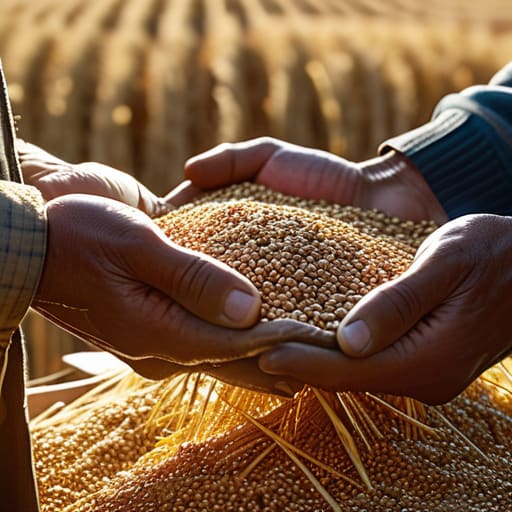
I see it all the time: a producer buys seed, fertilizer, or certain types of feed, and they just swallow the tax as a cost of doing business. That is a mistake. By properly identifying these tax exemptions for farming supplies, you aren’t just following rules—you are actively reducing farm production costs. Whether it’s specialized grain or specific livestock inputs, knowing which items carry a zero rate is the difference between a tight margin and a healthy one.
Essential Farming Input Incentives You Missed Last Season
If you’re looking at your year-end numbers and wondering why the margins are thinner than a sheet of ice in May, we need to talk about what you didn’t claim. Most of my clients come to me after they’ve already paid the full amount on various supplies, thinking that tax is just a non-negotiable cost of doing business. But if you aren’t actively looking for essential farming input incentives, you’re essentially leaving money on the table that belongs in your operating budget.
I’ve seen too many producers miss out on specific tax exemptions for farming supplies simply because the invoice didn’t explicitly scream “zero-rated” at them. It’s not just about the seeds or the feed; it’s about the way certain specialized inputs are classified. When you correctly identify these items, you aren’t just following rules—you are reducing farm production costs in a way that actually impacts your bottom line. Stop treating every tax line item as a sunk cost and start auditing your receipts with a bit more scrutiny.
Five Ways to Stop Leaving Money on the Table
- Stop treating every invoice like it’s the same. Just because a vendor charges you HST doesn’t mean that specific item is actually taxable; check the specific code for seeds, feed, or fertilizer before you file.
- Keep your receipts organized by category, not just by date. If I have to dig through a pile of mixed supplies to find your zero-rated inputs, you’re likely missing out on input tax credits that could have lowered your balance owing.
- Talk to your suppliers about their tax status. Sometimes a vendor will charge you tax because they assume you’re a retail consumer, so don’t be afraid to remind them you’re an agricultural producer buying zero-rated goods.
- Watch the “mixed-use” trap. If you buy a piece of equipment that’s used for both your farm and your personal hobby, you can’t just claim the whole thing as a zero-rated input; you need to be able to prove the split.
- Review your input tax credits (ITCs) every single quarter. Waiting until year-end to realize you overpaid tax on inputs is a headache I’d rather you avoid by checking your math every few months.
The Bottom Line Before You File Your Next Return
Stop treating every farm expense as a taxable cost; if you aren’t checking for zero-rated status on your inputs, you’re essentially handing the CRA a tip they didn’t earn.
Keep your receipts organized by category, not just by date, so we can actually see which supplies qualify for those tax breaks without me having to dig through a mountain of crumpled paper.
Tax rules for agricultural inputs change more often than the weather in the Maritimes, so if a supplier tells you “it’s all 5%,” ask them to prove it before you accept it as gospel.
Don't Leave Money on the Field
At the end of the day, managing your GST/HST isn’t about becoming a tax scholar; it’s about making sure you aren’t accidentally subsidizing the government with your hard-earned margins. We’ve looked at how to identify those zero-rated inputs, how to claim the credits you’re actually entitled to, and how to avoid the common filing traps that turn a simple season into a headache. If you walk away with nothing else, remember this: keep your documentation organized and don’t assume a zero tax rate means zero paperwork. If you aren’t tracking those specific agricultural exemptions properly, you’re essentially leaving cash on the table every single time you make a purchase.
I know how it feels when you’re staring at a pile of invoices at 10:00 PM, wondering if you’ve missed something critical. It’s exhausting, and frankly, it’s not why you got into this business. You started this to grow something, to feed people, and to build a legacy—not to win a battle against a tax form. My goal is to help you get back to that work by stripping away the confusion. Stop worrying about the “what-ifs” and start focusing on the practical reality of your bottom line. You’ve got enough on your plate; let the tax rules work for you, rather than against you.
Frequently Asked Questions
If I’m buying equipment that isn't zero-rated, can I at least get the GST back through Input Tax Credits?
Yes, you absolutely can. This is where most people get tripped up. If you’re buying a tractor or a piece of irrigation equipment that isn’t zero-rated, you’ll pay the tax upfront, but you don’t just have to eat that cost. As long as you’re a GST registrant and using that gear for your business, you claim those taxes back through Input Tax Credits (ITCs). It’s essentially a way to offset the tax you collect from customers.
How do I actually prove to an auditor that my specific supplies qualify for the zero rate instead of the standard 5%?
Look, an auditor isn’t interested in your word; they want a paper trail that tells a consistent story. You need more than just a receipt that says “supplies.” I tell my clients to keep copies of the actual product descriptions or technical spec sheets from the invoice. If you’re buying something borderline, save the manufacturer’s catalog page that explicitly categorizes it. If the paperwork proves it’s a qualifying input before the CRA even asks, you’ve already won.
Does the zero-rating rule change if I’m selling my produce to a processor instead of directly to the consumer?
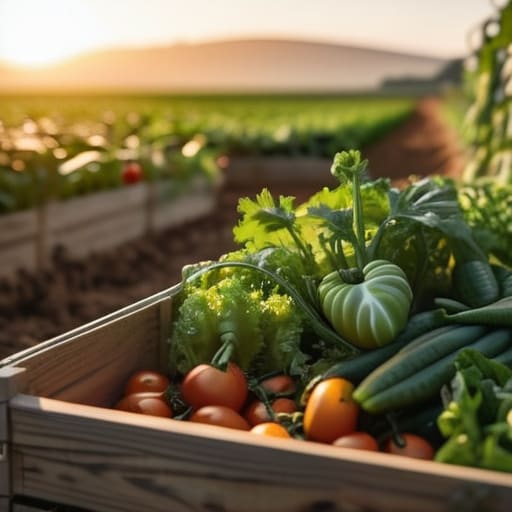
The short answer is no, the rule doesn’t change. Whether you’re handing a crate of tomatoes to a neighbor at the farmers’ market or dropping a massive shipment at a processing plant, your produce remains zero-rated. The tax status follows the product, not the customer. As long as it’s a qualifying agricultural product, you aren’t charging HST. Just keep your invoices tidy so we can prove exactly where that produce went come tax season.