
Whether the Coupon Is Taxed Depends on Who Funds It
I was sitting in my office last Tuesday, staring at a crumpled thermal receipt that looked like it had been through a car wash, when a client confessed they’d been calculating their HST based on the “sticker price” of their products even when they ran a sale. It’s a classic mistake, and honestly, it’s one of the most common ways I see small business owners accidentally overpaying the CRA. There is this persistent, misguided idea that you have to report the full retail value and then somehow “subtract” the savings later, but the truth about tax on discounts and coupons is much simpler than the government makes it feel. You shouldn’t be paying tax on money that never actually entered your bank account.
I’m not here to give you a lecture on the tax code or drown you in legalese that nobody actually uses. My goal is to give you the straight talk on how to handle these transactions so your books stay clean and your margins stay protected. I’ll show you exactly how to treat those promotional codes and seasonal markdowns so you aren’t leaving money on the table or, worse, setting yourself up for a painful audit down the road.
The Real Difference Manufacturer Coupons vs Store Coupons Tax
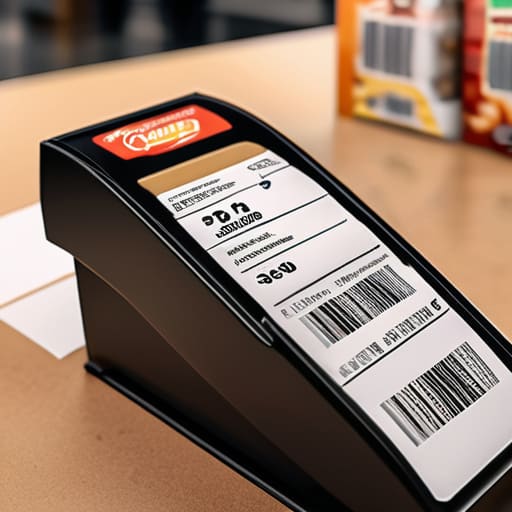
Here is where most of my clients start to sweat, but it’s actually simpler than it looks once you separate the source of the discount. The big distinction in manufacturer coupons vs store coupons tax comes down to who is actually footing the bill for that price drop. If a brand like Nestlé sends you a coupon to use at your shop, the CRA generally views that as the manufacturer paying part of the price. In that scenario, you still calculate the sales tax based on the original, pre-coupon price. You aren’t losing that tax revenue just because the brand decided to subsidize the sale.
Store coupons, however, are a different animal entirely. When you decide, on your own whim, to give a customer $5 off a basket of goods to clear out old inventory, you are effectively lowering the selling price. In this case, your sales tax calculation on discounted items should be based on the final, reduced amount the customer actually pays you. Think of it this way: if the discount comes from the brand, the tax stays high; if the discount comes from your own pocket, the tax goes down with it.
How to Calculate Sales Tax on Coupons Without Losing Money
Here is the math that actually matters. When you’re sitting there at the end of the month trying to reconcile your books, you can’t just guess. The golden rule for sales tax calculation on discounted items is simple: you only collect tax on the money you actually pocket. If a customer walks in with a $100 item and hands you a $20 store discount, they are paying tax on $80. It sounds obvious, but I’ve seen enough messy ledgers to know that people often accidentally charge tax on the full original price, which means you’re over-collecting and creating a massive headache for yourself during an audit.
However, you have to watch out for that post-purchase rebate tax treatment trap. If a customer buys something at full price and then gets a rebate from a third party later, you’ve already collected the tax on the full amount. In that scenario, you aren’t adjusting the tax; the customer is simply getting money back from someone else. Knowing how to calculate sales tax on coupons effectively means distinguishing between a discount that happens at the register and a rebate that happens after the sale. One changes your tax liability; the other doesn’t touch it.
Five Ways to Keep the CRA Out of Your Discount Strategy
- Don’t tax the sticker price; tax the reality. If you’re running a 20% off sale, your sales tax calculation must be based on the final amount the customer actually hands you, not the original price before the discount was applied.
- Watch your paper trail for manufacturer coupons. When a manufacturer compensates you for a discount, that money isn’t “free”—it’s a reimbursement. You still owe the tax on the full original price, and failing to account for that reimbursement is a quick way to end up with a nasty audit.
- Separate your “discounts” from your “rebates” in your books. A discount lowers the sale price (changing the tax base), but a rebate is often a post-sale event. If you lump them together in one messy pile, you’re going to miscalculate your HST/GST remittance every single time.
- Keep your digital logs clean. If you use an e-commerce platform, check your settings to ensure it’s calculating tax on the net amount after the coupon code is applied. I’ve seen too many shop owners accidentally over-collect tax, which creates a massive headache when you have to refund it.
- Document the “Why” behind every price drop. If you’re doing a seasonal clearance or a loyalty program, make sure your POS system or your manual ledger clearly shows the original price, the discount applied, and the final taxable amount. When the auditor comes knocking, “I was just trying to be nice to customers” doesn’t count as a valid accounting method.
The Bottom Line for Your Books
Stop over-collecting; if a customer uses a store discount, you only charge tax on the final amount they actually pay you, not the original sticker price.
Watch your paperwork on manufacturer coupons; since that money is coming back to you from a third party, you still have to collect tax on the full pre-discount price.
Don’t let “rounding errors” turn into an audit headache—always base your tax calculations on the actual cash transaction to keep your sales tax filings clean and defensible.
Bottom Line: Don't Let the Math Trip You Up
At the end of the day, it all comes down to knowing exactly which type of discount you’re handing out. If it’s a store-wide promotion or a generic discount you’ve set up, you’re only collecting tax on the actual cash that lands in your till. But if a manufacturer is footing the bill for a specific coupon, the tax rules shift, and you need to be careful not to accidentally under-collect or over-report. Keep your records clean, distinguish between those two types of discounts in your POS system, and you’ll avoid the kind of messy audit trail that makes my job—and your life—a lot harder than it needs to be.
Look, I know this isn’t exactly why you woke up and decided to launch your business. You wanted to build something, serve your community, and maybe actually enjoy your weekends instead of staring at a pile of crumpled receipts. My goal is to make sure the CRA doesn’t become an uninvited guest at your dinner table because of a simple math error. Get these basics down now, set up your systems correctly, and you can get back to the parts of your business that actually matter. Run your business, don’t let the paperwork run you.
Frequently Asked Questions
What happens if I offer a "Buy One, Get One Free" deal—do I still charge tax on the value of the free item?
Here is the short answer: No, you don’t charge tax on the “free” item because, legally, nothing was sold. If you’re running a “Buy One, Get One Free” deal, the tax is calculated only on the actual transaction value—the price of that one item the customer actually paid for. Just make sure your POS system isn’t accidentally ringing up the full retail value of both; otherwise, you’re over-collecting tax and making your books a mess.
If I give a customer a partial refund on a discounted item, how do I handle the tax adjustment in my books?
Think of it this way: you aren’t just giving money back; you’re reversing a portion of the original sale. When you issue that partial refund, you must record it as a “sales return” or a “discount adjustment” in your accounting software. This ensures your books reflect the lower net sale and, crucially, reduces your sales tax liability. If you just record it as a flat expense, you’ll end up overpaying the CRA.
Does the CRA care if I'm discounting a product that was already subject to a different tax rate?
The short answer is yes, they care, because the CRA cares about the final transaction value. If you’re discounting a zero-rated item (like basic groceries) down to a taxable item, or vice versa, you can’t just pick a rate that feels right. You apply the tax rate that belongs to the product being sold at the moment of the sale. Don’t overcomplicate it: look at the final price the customer actually pays and apply the rate that goes with that specific item.