A Muffin Is Groceries, Six Muffins Might Not Be
I was sitting in my office last Tuesday, staring at a crumpled receipt from a local café owner that looked like it had been through a car wash, when it hit me: we are all making this way harder than it needs to be. Most people think that if it’s food, it’s tax-free, but the CRA doesn’t see the world in such simple terms. There is a massive, expensive gray area between what counts as a staple and what counts as a luxury, and getting the rules wrong on basic groceries and hst is one of the fastest ways to bleed your margins dry without even realizing it.
I’m not here to lecture you on tax code or recite statutes that would put a stone to sleep. My goal is to give you the straight talk I wish my clients had heard years before they handed me a shoebox of disorganized chaos. I’m going to break down exactly which items are exempt, which ones are traps, and how to ensure you aren’t accidentally handing over your hard-earned profit to the government. Let’s get your books orderly and accurate so you can get back to actually running your business.
Cracking the Code of Taxable vs Non Taxable Groceries
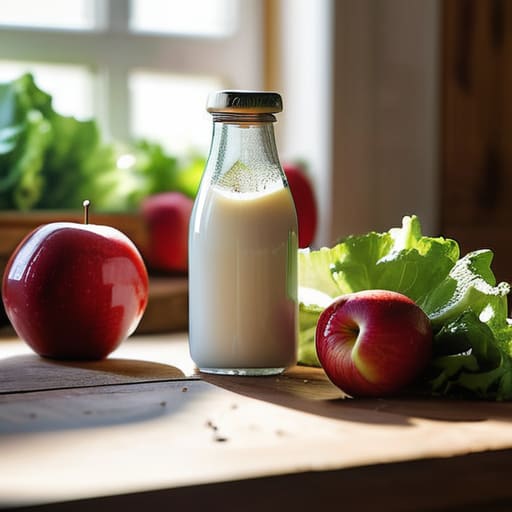
Here is where most of my clients start to get a headache. You’d think a head of lettuce and a bag of apples would be straightforward, but the line between what’s exempt and what’s taxed can feel like a moving target. In the world of Canadian tax, we generally deal with zero-rated food items—things like raw vegetables, meat, and milk—which means the tax rate is technically 0%. They are essential, and the government doesn’t want to squeeze you on them. However, the moment that food is “prepared” or “processed” in a certain way, the CRA decides it’s no longer a basic necessity, but a luxury.
This is the classic trap: the distinction between taxable vs non-taxable groceries often comes down to how much work was done to the food before it hit the shelf. If you buy a plain loaf of bread, you’re fine. If you buy a pre-made sandwich from the deli counter, you’re paying HST on prepared foods. I’ve seen business owners try to claim everything as a business expense without realizing that certain snacks or prepared meals carry a tax burden that changes your entire bottom line. It isn’t about being difficult; it’s just about knowing where the line is drawn.
The Zero Rated Food Items Canada List You Actually Need
Here is the list you actually need. Forget the dense legal jargon; for most of your day-to-day, you are looking for things that are “zero-rated.” This is a fancy way of saying the tax rate is technically 0%, so while the item is technically part of the tax system, you aren’t adding a cent to the price tag. We are talking about the staples: raw meat, milk, eggs, most fruits, and vegetables. If it’s a raw ingredient that hasn’t been cooked, seasoned, or transformed into a meal by a chef, it usually falls under the zero-rated food items Canada category.
The trap—and I see this in shoeboxes every single year—is the “prepared” distinction. The moment you add a level of service or complexity, you’ve crossed the line. A bag of raw potatoes is zero-rated, but a bowl of seasoned, roasted potatoes from a deli? That’s a different story. You need to be wary of HST on prepared foods because that’s where small business owners accidentally start charging customers the wrong amount or, worse, failing to collect tax when they should. If it’s ready to eat, the CRA usually wants their cut.
Five Ways to Keep the CRA Out of Your Grocery Budget
- Stop treating every receipt like a monolith. If you’re running a catering business or a small cafe, you can’t just claim one flat tax rate for everything. You need to separate the zero-rated stuff (like raw flour and vegetables) from the taxable stuff (like soda or prepared snacks) or you’ll end up overpaying your HST and leaving money on the table.
- Watch out for the “prepared food” trap. The second a grocery item is heated up, served on a plate, or even just sold in a way that makes it “ready to eat,” the tax-free status usually vanishes. A bag of apples is zero-rated; a pre-sliced fruit cup in a plastic container? That’s a different story entirely.
- Keep your receipts organized by category, not just by date. I know, I know—it sounds like a headache. But when it comes time to file your input tax credits, being able to quickly pull your taxable vs. non-taxable totals will save you from that frantic, midnight scramble through a shoebox of crumpled thermal paper.
- Don’t assume “healthy” means “tax-free.” The CRA doesn’t care about your nutritional goals; they care about how the item is classified. A high-end organic salad kit might be taxed differently than a head of lettuce depending on how it’s packaged and sold. When in doubt, check the specific line item.
- Use your software to your advantage. If you’re using a POS system, make sure your staff is actually hitting the right buttons for zero-rated items. If they’re just hitting “standard tax” on everything to save time, you’re essentially handing the government a tip they didn’t earn.
The Bottom Line for Your Books
Don’t assume “grocery” means “no tax.” If it’s prepared, snackable, or fancy (think hot deli items or certain condiments), the CRA likely wants their cut, so check the classification before you claim it as zero-rated.
Keep your receipts organized by category, not just by date. If you’re running a catering business or a small cafe, being able to clearly separate your tax-exempt staples from your taxable supplies is the only way to avoid a headache during an audit.
When in doubt, err on the side of caution or ask. It is much easier to claim a credit back later than it is to explain to an auditor why you treated a taxable luxury item as a basic grocery staple for three years straight.
The Bottom Line on Your Grocery Receipts
At the end of the day, navigating the distinction between zero-rated staples and taxable prepared foods isn’t about memorizing the entire Excise Tax Act; it’s about organized habits. Remember that most raw ingredients—the milk, the flour, the fresh vegetables—won’t carry HST, but the moment you step into the deli section for a pre-made sandwich or a hot snack, you’re looking at a taxable transaction. If you are running a catering business or a small cafe, keeping these two worlds separate on your receipts is the only way to ensure you aren’t leaving money on the table or, worse, accidentally claiming credits you aren’t entitled to when the CRA comes knocking.
I know it feels like one more thing to manage when you’re already trying to keep the lights on and the staff paid, but getting this right now saves you a massive headache three years down the road. You didn’t get into business to become a part-time tax auditor, and you shouldn’t have to. Focus on your craft, keep your records tidy, and stop worrying about the fine print once you’ve mastered these basics. If you can handle a high-pressure curling match in the final end, you can certainly handle a grocery receipt.
Frequently Asked Questions
Does it count as a "basic grocery" if I buy it at a restaurant or a cafe, or am I stuck paying the full HST there?
Short answer: No. The moment you sit down at a cafe or order takeout, that “basic grocery” status vanishes. The CRA views restaurant service as a different beast entirely. Even if you’re just eating a plain bagel or a piece of fruit, the service element triggers the full HST. It’s a common point of confusion, but don’t let it trip you up during an audit—if there’s a menu and a server involved, expect to pay the full tax.
If I buy a bag of pre-mixed salad or a rotisserie chicken, is that still tax-free, or does the "prepared food" rule kick in?
This is where things get messy, and it’s exactly the kind of thing that trips up my clients during a year-end review. Here’s the rule of thumb: if it’s a single, identifiable ingredient, it’s usually zero-rated. But once you start adding “value” through preparation, the CRA wants their cut. A plain rotisserie chicken is typically fine, but that pre-mixed salad with the dressing and toppings included? That’s often considered a prepared meal. Tax applies.
What happens if I accidentally claim an Input Tax Credit for a grocery item that was actually taxable?
Don’t panic; you aren’t going to jail, but you do need to fix it. If you accidentally claimed an ITC on a taxable item you shouldn’t have, you’ve essentially underpaid your HST. The best move is to correct it on your next return. I’ve seen clients try to hide these little slips, but the CRA is much more forgiving of a self-corrected error than a pattern of mistakes found during an audit. Just fix the math and move on.